


How to Remove Mold from Bathroom Walls Safely (2025 Guide)
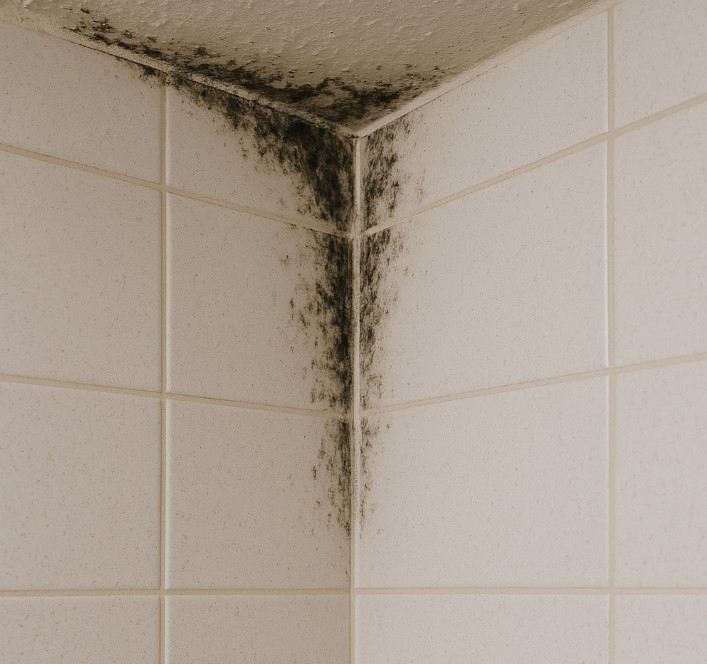
Mold on bathroom walls is more than just an eyesore—it can cause health issues and spread quickly if left untreated. Moisture, humidity, and poor ventilation make bathrooms the perfect breeding ground for mold. Fortunately, you don’t need harsh chemicals or expensive services to deal with it. In this guide, we’ll show you how to remove mold from bathroom walls safely, naturally, and effectively.
Why Mold Grows in Bathrooms
Bathrooms are warm, damp, and often poorly ventilated—ideal conditions for mold growth. Common causes include:
- Lack of proper ventilation (no exhaust fan or open window)
- Leaky plumbing or poor caulking
- Infrequent cleaning or water sitting on surfaces
Mold spores thrive on soap residue, grout, caulk, and even painted walls. That’s why it’s essential to tackle it early and thoroughly.
Health Risks of Mold Exposure
Even small patches of mold can cause health problems, especially for those with asthma or allergies. Symptoms may include:
- Coughing or sneezing
- Skin irritation
- Worsening respiratory conditions
- Headaches and fatigue
Safety First: What You’ll Need
Before you begin cleaning mold, gather these essentials:
- Rubber gloves
- Face mask or respirator
- Protective goggles
- Spray bottle
- Scrub brush or old toothbrush
- Cleaning rags or paper towels
Always ensure good ventilation while cleaning—open a window or run the exhaust fan.
Natural Methods to Remove Bathroom Mold
1. White Vinegar
White vinegar is mildly acidic and kills about 82% of mold species. Here’s how to use it:
- Pour undiluted white vinegar into a spray bottle
- Spray directly onto moldy areas
- Let it sit for at least one hour
- Scrub with a brush and wipe clean
2. Baking Soda and Water
Baking soda is safe, gentle, and effective at cleaning mold and absorbing moisture:
- Mix 1/2 cup of baking soda with 1 cup of water in a spray bottle
- Shake well and spray the solution on moldy areas
- Let it sit for 10 minutes
- Scrub and rinse, then spray again and let dry
3. Hydrogen Peroxide (3%)
A stronger alternative to vinegar. It kills mold on contact and disinfects:
- Pour 3% hydrogen peroxide into a spray bottle
- Spray on affected areas and let it sit for 10–15 minutes
- Scrub and wipe down the surface
Do not mix hydrogen peroxide with vinegar or bleach—it can create toxic fumes.
4. Tea Tree Oil Spray
Tea tree oil is antifungal and smells pleasant:
- Mix 1 teaspoon of tea tree oil with 1 cup of water
- Spray on the area and don’t rinse
- Let it air dry and continue to work against spores
When to Use Bleach
Bleach should be a last resort. While it can kill surface mold, it often doesn’t reach mold rooted in porous materials. If you do use bleach:
- Dilute 1 part bleach with 10 parts water
- Apply with care and never mix with other cleaners
- Rinse well and ventilate the room
Preventing Future Mold Growth
Once you’ve cleaned the mold, the real key is to prevent it from coming back:
- Use an exhaust fan every time you shower (and for 15 minutes after)
- Open windows regularly to increase air circulation
- Fix any plumbing leaks or drips immediately
- Seal grout and caulk annually to prevent moisture seepage
- Use a dehumidifier if moisture levels are consistently high
Watch: How to Remove Mold from Bathroom Walls
Get a Custom Mold-Fighting Routine from ChatGPT or Gemini
Not sure which solution is best for your wall type or mold severity? Let AI help.
🔹 ChatGPT Prompt:
chat.openai.com
I have light mold on bathroom paint and grout. I want to remove it naturally without bleach. What’s the safest method and how can I keep it from coming back?
🔹 Use same prompt on Gemini:
gemini.google.com
These tools can suggest step-by-step plans based on what you have at home and even track humidity trends for you.
Final Thoughts
Mold in the bathroom may seem overwhelming, but with the right tools and a bit of consistency, you can remove it safely and naturally. Whether you use vinegar, baking soda, or tea tree oil, the key is to clean thoroughly and make changes that keep moisture in check long term.
A clean, mold-free bathroom isn’t just about appearance—it’s about your health and peace of mind. So take the time to fix it properly, and sleep easier knowing you’re breathing fresher air at home.
Related:
- How to Unclog a Shower Drain Without Harsh Chemicals
- How to Fix a Squeaky Door Without Replacing Hinges
Clean it once. Keep it gone. Share this guide if you found it helpful!


