


How to Break Bad Habits Without Feeling Overwhelmed
We all have habits we’d like to break—nail biting, late-night snacking, procrastination, doomscrolling. But quitting them? That’s another story.
Change can feel overwhelming, especially when you’ve tried before and failed.
The truth is, bad habits aren’t broken through willpower alone—they’re replaced with better systems. In this guide, you’ll learn how to break bad habits gently and effectively, without the burnout.
🧠 Why Bad Habits Stick
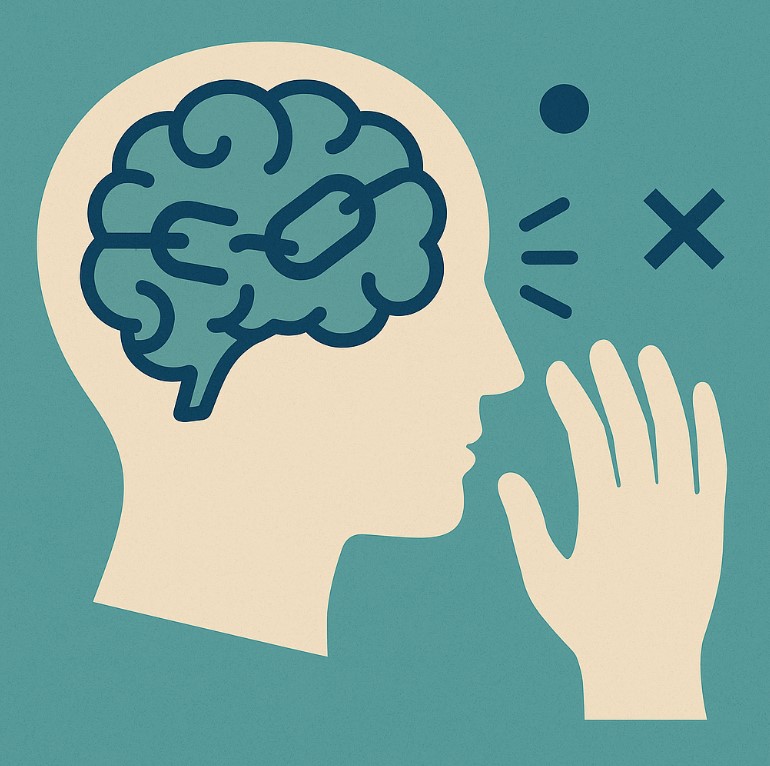
Bad habits are often rooted in reward loops: a trigger, a behavior, and a reward.
For example:
– Trigger: Stress
– Behavior: Scrolling social media
– Reward: Distraction or temporary relief
To break the loop, you have to disrupt one of these steps—ideally by replacing the behavior, not just resisting it.
1. Identify the Habit Loop
Track the habit for a few days:
- What triggers the behavior?
- Where are you? What time is it?
- How do you feel before and after?
Awareness is the first step toward change.
2. Replace, Don’t Just Remove
You can’t erase a habit—you can only overwrite it with a better one.
- Bite nails? Keep a fidget tool nearby.
- Scroll late at night? Replace with reading 5 pages of fiction.
The new habit should satisfy the same emotional need.
3. Shrink the Habit First
Trying to quit cold turkey often backfires.
Instead, reduce the behavior:
- If you drink 3 sodas a day, start with 2
- If you binge shows, limit one episode with a timer
Tiny improvements build trust in your ability to change.
4. Change the Environment
Make the bad habit harder and the good choice easier.
- Move snacks to the garage
- Log out of social media after each session
- Charge your phone outside your bedroom
5. Track Your Streak
Use a calendar or app to log every day you successfully avoid the habit.
Visual momentum is a powerful motivator—don’t underestimate a chain of checkmarks.
6. Be Kind to Yourself
Slip-ups are part of the process.
Instead of saying “I failed,” say “I’m learning.”
Perfection isn’t the goal—consistency is.
7. Understand the Deeper Need
Most habits—good or bad—serve a purpose. Ask yourself: what is this habit trying to solve?
- Do you procrastinate because of fear or perfectionism?
- Do you overeat because you’re stressed or bored?
Understanding the emotional root behind a habit helps you find healthier alternatives that actually meet your need.
When you solve the underlying issue, the habit starts to lose its power.
Common Mistakes to Avoid
- Trying to quit everything at once
- Punishing yourself after a relapse
- Not replacing the habit with something positive
- Expecting instant results
Watch: How to Break Bad Habits Gently
Final Thoughts
Breaking bad habits isn’t about being tough—it’s about being strategic.
Replace, reduce, track, repeat. And most importantly, forgive yourself often.
Every day you choose differently, you weaken the old habit and strengthen a new one.
Change doesn’t have to be extreme—it just has to be consistent.
You’re not broken—you’re just rewiring.
Start small, stay steady, and trust the process.
Progress is built through compassion, not punishment.
The most powerful change starts with a gentle decision to try again.
Bonus Prompt – Ask ChatGPT
Help me break a bad habit step by step without feeling overwhelmed or guilty.
Try it directly at ChatGPT
Related:
- How to Build Better Habits That Actually Stick
- Morning Motivation: How to Start Your Day with Purpose
Break the loop. Build your freedom.


